This is a personal account of my experience.
John Potter - Artist, Illustrator, Designer
Wolfenstein
Sometime around 1993 or 1994 I attended a computer show in South Florida. These were common at the time, part comic book convention, part swap meet. At this show I happened to see a game called Wolfenstein. It looked fun, it was cheap, and it would run on my wife's awesomely fast 386 PC, so I picked it up. We both got pretty obsessed. Looking at the graphics, I thought: I could do that, and I want to do that. I didn't really know what skills the field required, but I knew basic Adobe products on a Mac, so how hard could it be?
That moment changed my career. To understand why it mattered so much, you have to go back to 1979.

Before computers
In 1979, when I entered high school, the profession I would end up practicing was called Commercial Art, and it covered all the artsy activity prior to an image landing at the print shop. By the time I graduated, Graphic Design was a thing and Illustration had been segregated into its own category. Graphic Design included page layout and things like logo design. Illustration was more the venue of drawing and painting.
I preferred the title Commercial Artist. It included the word art, which was important to me, and its lack of clear definition left lots of room to do different things.
In 1983 I enrolled at Coker College in Hartsville, South Carolina. Graphic Design was my only option there. I enjoyed the program but wanted a more specialized, focused approach, so after a year I transferred to a professional school.
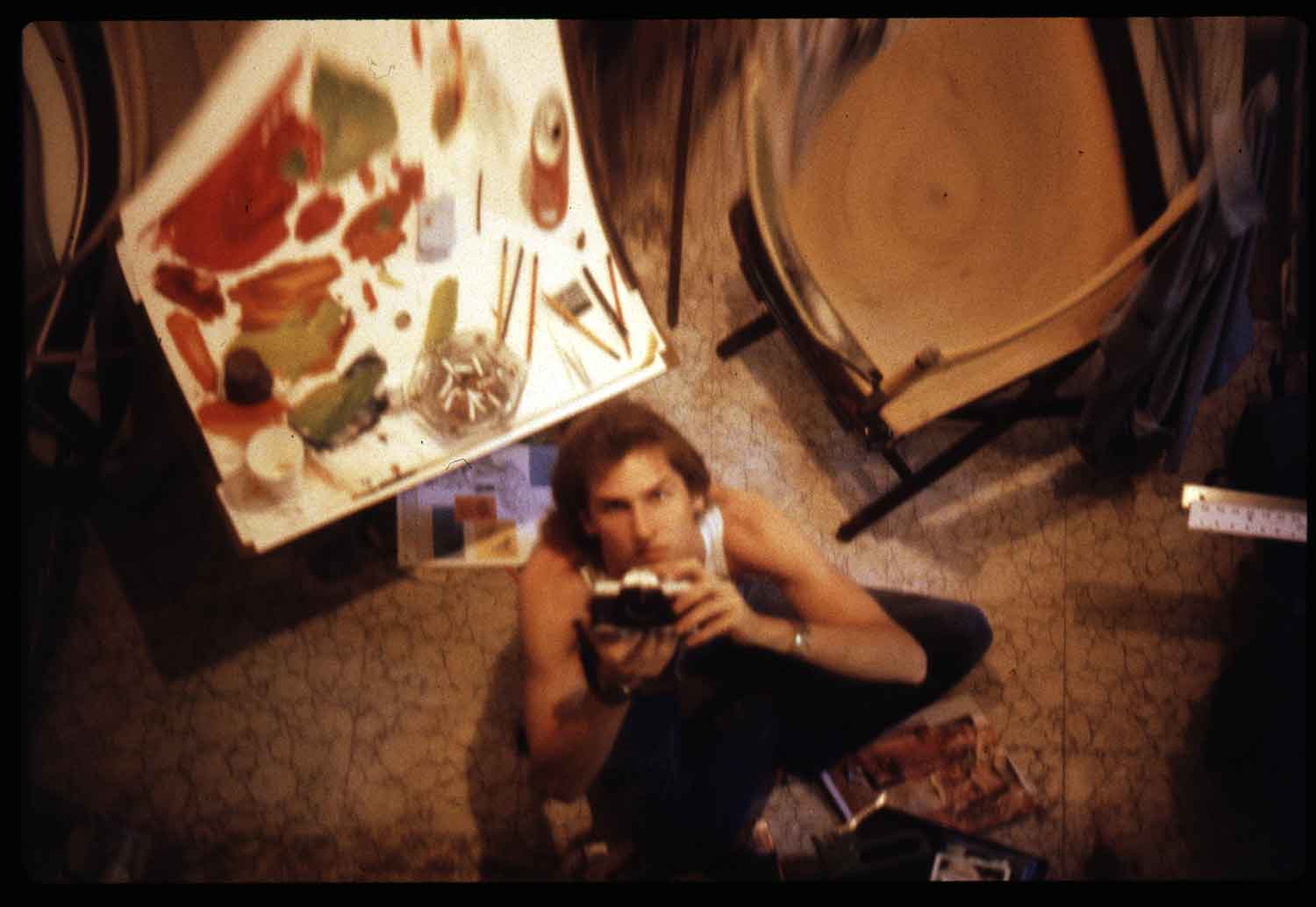
From 1984 to 1987 I attended Ringling School of Art and Design's three-year program, which is now Ringling College of Art and Design, since it's accredited. I majored in illustration, and the program was challenging, mind-expanding, and unforgettable. There was a strong emphasis on drawing and basic artist skills. What there wasn't much of was computers. There was a small computer department with Macintosh 128Ks. The teacher who had championed it was underappreciated, as was the potential of the department. Ringling went heavy on computers after I was gone.
Facing reality: the early 1990s
After graduation I found that most employers made little if any distinction between Graphic Design and Illustration, and used what seemed to me like random titles for jobs within the fields.
Within a year, finding work in either field was almost impossible without computer experience.
I took a job with the State of Florida at the University of Florida, in the agricultural department known by the acronym IFAS. It required little to no computer experience at the time. My title was "Senior Artist Publications Production Specialist Two." Shortly after I joined, the team acquired what I'm pretty sure were Macintosh IIx computers loaded with Adobe software. I learned the first version of Illustrator, where you worked in outline mode and periodically previewed to check your work. I learned early Photoshop and PageMaker, their first page layout program. Page layout was renamed Desktop Publishing if you did it on a computer, because… I have no idea.
In those early days most of my colleagues and I resented the computer revolution to differing degrees. The predominant feeling, I think, was that we had set out to make things with our hands and now we were sitting at a desk all day. We all eventually warmed to it, especially when it came to abandoning the waxer and rubber cement of manual page layout.

I worked at IFAS until 1991, exhibiting my usual youthful drive and general lack of discipline, and drove my bosses nuts. I pivoted to the prop industry for a while to get back to my hands-on roots. It was fun, but employment was tenuous. After moving to South Florida I did manual color separation for a while and picked up more computer experience along the way. During this time I did some freelance illustration, some art for my regular job, and several portrait commissions in oils.
By the time Wolfenstein appeared at that computer show, I had been circling computers for years, learning them grudgingly, using them for work, but never quite committing to them as the thing I did. The game was the first time I saw what they could be.
The temp agency and OS/2
I started applying to jobs that were more computer-based. A temp agency specifically targeting computer graphics people popped up and I listed with them immediately. They placed me fairly early with a subcontractor of IBM working on translations of the help files for their new operating system, OS/2. I was treated so much better than I was accustomed to at work that I was smitten. OS/2 proved so spectacularly unpopular that we were let go before completing the work, but I gained a lot from the experience.
I did a little freelance illustration during this time, but it was an awkward period for work in my industry. People wanted things done on computers, and most computers frankly weren't up to the task. I recall a poster I illustrated that used spot colors and needed to be delivered as a computer file. It was a painful experience, and the number of compromises was horrible.

The game industry
Shortly after that I applied for a job at a computer game company in Miami. With my newfound gravitas from OS/2, they hired me. That work experience was the best education I could have asked for. Once I was hired they sat me in front of a PC… and keep in mind I had only used Macs, except to play Wolfenstein. The PC had 3D Studio for DOS installed, a notoriously difficult program to learn. They told me I had two weeks to prove I could handle it or I was out. I was given a manual and no help.
I figured out that it had a fog effect that was pretty easy to use, so I came up with the concept of a zeppelin breaking through the clouds. It required only simple shapes and simple movement. I showed progress by the end of day one. During day two my peers started to slowly offer assistance. Long story short, I got to stay.
I learned DOS. I learned to build computers and built several. I worked on a few games and saw my graphics in a real game on sale. It was all very exciting, and I learned more than I had since leaving Ringling.
Now I should describe the market this was all taking place in. The computer shows were getting more popular, and other people were also working their way into these new computer-based industries by willpower and hard work. Computer games had become a big deal. There were two big computer store chains in almost every American city, CompUSA and Computer City. They were generally about the size of a supermarket, and both featured a row of shelves just for computer games.
The company I worked for mostly made games based on licensing, being games based on TV shows and such. They weren't the hot new games. They were the games grandma gave kids at Christmas. In 1996 a game came out called Command and Conquer: Red Alert. It was a huge success, so successful that it drowned out the other new releases, and it accelerated what was already happening: the party was over. The company I worked for and many others closed. CompUSA and Computer City no longer had a game section that resembled the cereal aisle, the computer shows ended, and people started talking about the next big thing: the internet.

The internet
I was a little lost after the game company closed. I had really loved that job. Since my confidence with computers was high, I decided to teach myself HTML and get into the internet industry, or whatever you call it. I bought a "Teach Yourself HTML" book and taught myself. As an example I created my first website, EscapeKey.net, which was just a portal page at the time, with a categorized list of links and descriptions. Nonetheless, it showed I knew how to code HTML.
I began applying to jobs and came down to two opportunities: Art Director at the New Times newspaper in Miami, or web designer at a multiple listing company. I was making a concerted effort to be a more serious professional, and I wanted to take the job I'd stick with until retirement. I chose the more serious of the two and became a web designer. I was the only job applicant that had actually built a website. There I learned Macromedia software and CSS coding, among other things.
During my time there we approached the year 2000. There was a big scare that computers would crash left and right because programmers had used two-digit years (00) in code and the year 2000 would confuse them. They called it Y2K. From an insider's perspective, I saw it like this: Windows was Y2K compliant, and so was the Mac operating system. Apart from some ancient code on old government machines somewhere, it was irrelevant and a waste of time.
In my opinion, some programmers and consultants saw an opportunity for a large chunk of quick cash. They overstated the risk and ran up huge bills. When January 1 came, not a thing happened to computers… but the days of highly paid programmers and web designers were over. They killed the goose that laid the golden egg.
This was only one nail in that company's coffin, but it played a part. They downsized dramatically and my job was a casualty. The days of building yourself up within the computer industry were over. Employers wanted software certifications, and they of course increased in price dramatically. Everything had gotten grimly serious and stuffed-shirt.
I started doing more freelance at this point… a lot of web design and maintenance work and began to come into my own as a computer graphics guy. Windows 95 had come out by then, and Windows was no longer a thing that ran on top of DOS. It made it much easier to use multiple programs and file formats in tandem. I was drifting further from my artistic roots and leaning more toward technology.
Lost years
After the collapse of what I'd hoped would be my final career destination, I felt a little lost, and my chief concern was making money. I seriously considered trade school and a career change, and in retrospect that might have been the smart move… financially, at least.
I took a job at a yacht brokerage as their graphics guy, making lots of web pages and doing ad layout and graphics for boat shows. I also operated the company's Roland vinyl printer and cutter and installed vinyl on yachts, cars, and so on. I was there from 2003 to 2008. I was aslo the guy the IT guy came to with his most difficult problems.

At one point I was asked to make an illustration encompassing every service the company offered, which were diverse. I had seen isometric illustrations and it seemed like a great fit for the project. Unfortunately I didn't know what that type of rendering was called or how to ask, so I figured out the math myself. Once it was done I immediately thought of applying the method to maps. It was probably a year before I actually put that thought into practice, but this is where it started.
I left under less than ideal circumstances but freelanced for them later, so there were no hard feelings. During this time I thought a lot about money and time and how much time I was willing to give for how much money. That's a topic for another article, but it helped lead me to freelancing full time.
Where we are now: AI
Having ridden out two bubbles, I see a lot of similarity in AI. A lot of people are investing in it without really understanding it. That's classic bubble behavior. That said, computer games still exist and the web still exists; they just aren't seen as the huge deal they once were.
My son works as a professional in the AI field, and every conversation I have with him reminds me how little I know. I'm mostly using it without trying to analyze what's going on behind the curtain.
I'm using AI to assist me in things like writing this article. As you can tell, it's far too personal and detailed to be written entirely by AI, but AI will take what I've written and make me sound more eloquent. I'm also using it to push rough sketches toward a more complete stage for initial illustration proposals, and to enhance the look and feel of some 3D models rather than using rendering engines.
Using AI in my artwork is like having an extremely talented assistant whose behavior is maddeningly unpredictable. I do things over and over hoping for a result I may never get. Making revisions on something made with AI can be truly maddening, and as I've mentioned elsewhere, revisions dominate my professional life. I'm trying to develop techniques that let me leverage AI while keeping it away from any vital information that may need editing later. That stuff I do the old-fashioned way.
 This map was rendered with AI from a finished 3D model serving as a substitute for a rendering engine.
Where this is going
AI is going to keep growing in capability and usefulness. In a few years we'll see it more like the internet or the car… an unnoteworthy part of everyday life. I suspect the leap from handy assistant tool to sentient is going to be a lot bigger than expected.
AI is going to be used a lot by people who would never hire a professional artist, illustrator, or designer in the first place, either because they're too cheap or too impatient. You already see it in YouTube thumbnails, restaurant menus, and event promotions. If the client doesn't feel the need to be too specific about what they want, that will work for them.
For the rest of us it has become a valuable tool, but not a replacement. As an artist, illustrator, or designer, I find that most of my clients don't have a clear vision of what they want. I don't mean that metaphorically; I mean it literally. They have a rough idea but no sense of composition or anything else necessary for the final product. Many also want things that aren't functionally possible… many of my map clients, as I've mentioned elsewhere, have no concept of scale and its implications for a finished map. If you don't know what you want, or what you want can't be done in a real-world situation, how can you ask AI to make it? Frequently these clients can't articulate what they want to me. I have to request examples, which hadn't occurred to them, and do my best at mind reading. (Most people seem to think mind reading is a master class at art school.) So far I find that AI, much like myself, works better with clear examples like good-quality sketches, and that's best provided by a real, breathing artist. Because of all this, I don't fear losing many clients to AI.
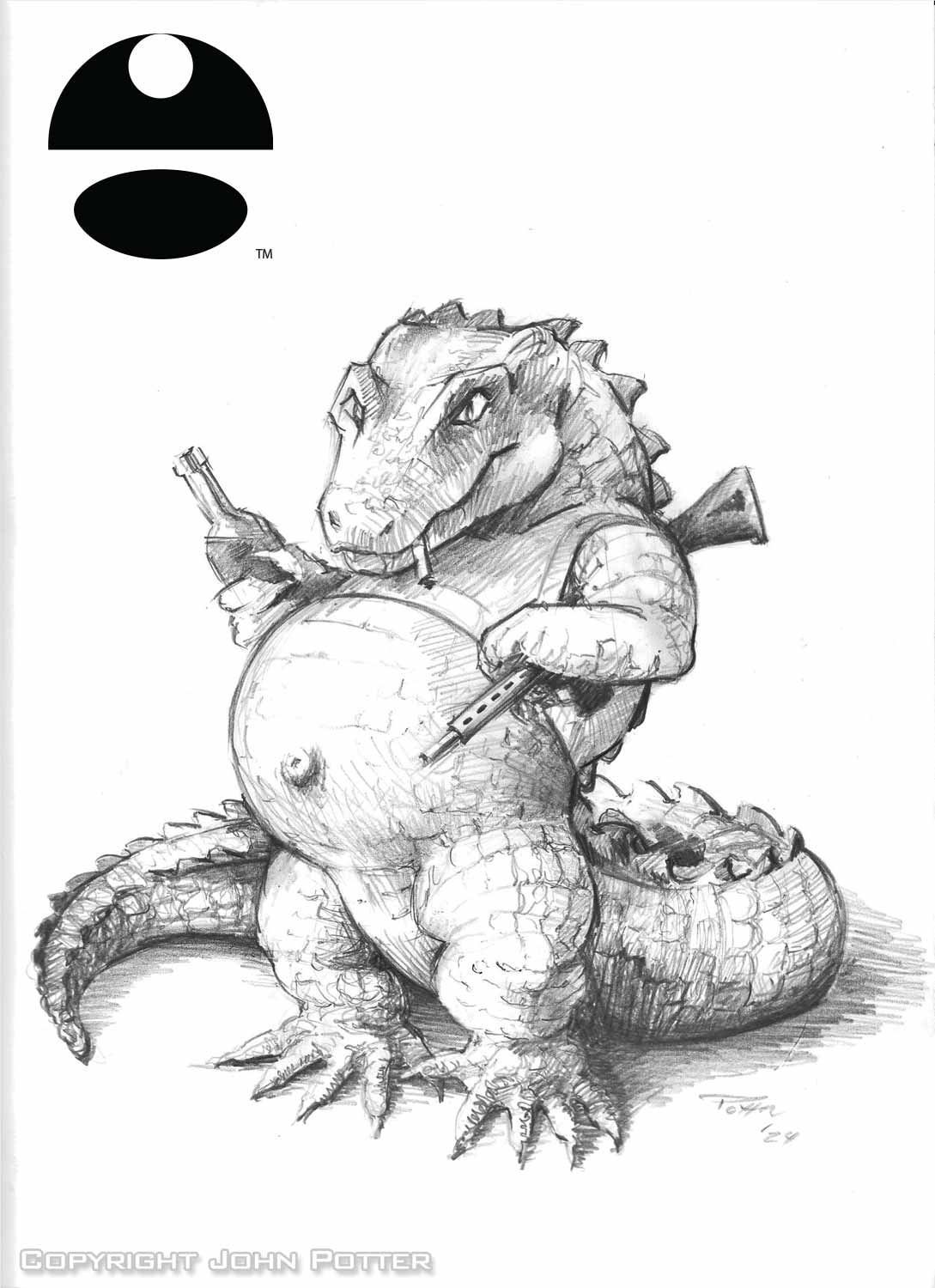
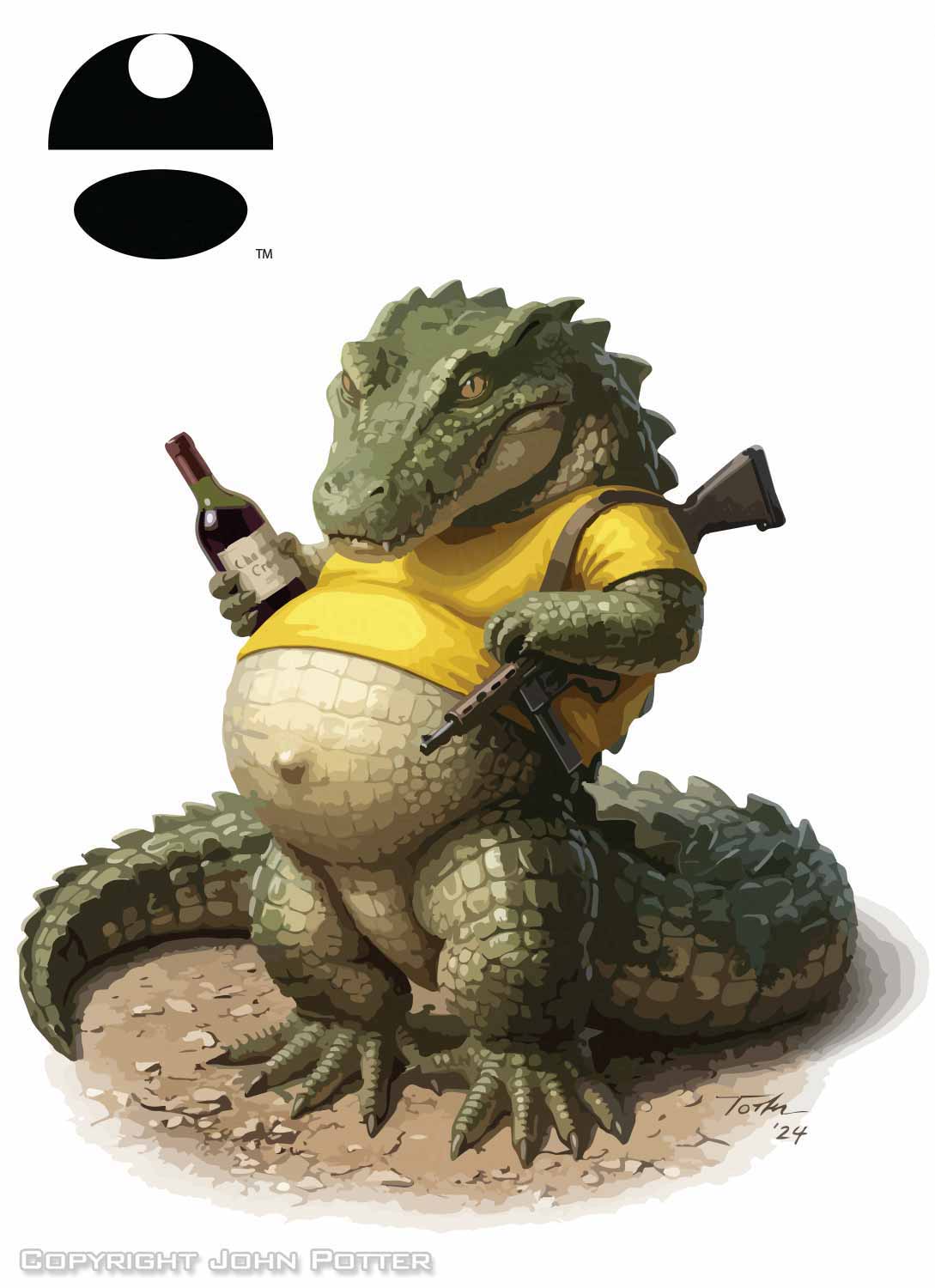
I do think Graphic Design in its pure form is endangered. That field, created when I was young, may die before I do. Page layout is just too easy for AI. I won't be surprised if I have no more desktop publishing work in a few years. Logos, which were considered vital to brand identity in the 80s and 90s, no longer have high priority. Without desktop publishing or logo design, there isn't much left of Graphic Design.
All of these leaps have changed our roles and how we handle things. When I was young there was a high regard for printed publications. Having something in print was a big deal because it represented a big investment of time and money. Computers changed that, making the printed page a quick, cheap, easy thing … they made it possible to produce a high-quality product quickly and affordably, and by unintended consequence cheapened everything associated with it. It's a trade-off, with the advantages going to the client, not the workers creating what the client wants.
I'm sure AI will change our roles further, probably in ways I couldn't predict. It leads me to ponder: when I started this journey I wanted to be an artist, someone who makes things with his hands. I slowly moved away from using my hands and began making things with computers. As the tools become more powerful my role keeps diminishing. I don't know when I should stop calling the work I do art, or illustration, or even design. Of course Van Gogh, despite making his own paint, didn't weave his own canvas. There's always someone else you share the credit with. But I don't think someone who only writes AI prompts can ever be considered an artist. This is all another phase of trade-off. The clients and the market get what they want faster and cheaper.
The irony of all this may be a newfound appreciation for things made by hand. They're swiftly becoming oddities that stand out in deep contrast to the vast amounts of computer-generated everything we're surrounded by. I'm trying to return to my roots by making more paintings and objects by hand. I'm leveraging technology in the process, but the products, so far at least, are caringly made by hand with a lot of very human inefficiency. They have the look and feel of something made by a mind and a hand rather than a machine. The imperfections and the roughness can feel like a breeze through a forest in a steel and concrete world.
Also of interest:
- About Me
- General FAQ
- Maps FAQ
- References / Partial client list
- CV: Curriculum Vitae
- Resume
- Revisions
- Map Angles and Scales Explained
- When Computers Took Over - and Then When AI Started To
- History of My Map Workflow
- Large-Area Maps vs. Small-Area Maps
- So You Got Stuck With the Map Project. Let's Make This Easy.
- What I Actually Charge For
BROWSE MY WORK
- Illustration: Browse custom illustrations, book cover art, illustrated maps, and architectural renderings.
- Fine art: View original paintings and drawings, the Custom Halftone Series, and mural commissions.
- Graphic design & motion: See design projects, then watch motion reels and animated pieces.
- Maps by use case: Explore illustrated maps created for boat shows, resorts, marinas, real estate, transportation & parking, cities & towns, parks, and wayfinding.
- Specialty projects: Also check out cover design, vinyl & vehicle wraps, proposal renderings, and street art.
- Style & technique: Discover vector, isometric, painterly, monochrome, data-driven, bird's-eye, and halftone approaches.
- Tools I use: Everyday software includes Photoshop, Illustrator, SketchUp, and InDesign; motion work relies on Premiere & After Effects. Recently I have begun some work using AI as well.