Product, Not Process

What clients think they're buying
When I attended art school, it seemed like they were preparing me for clients who knew more about art, printing, and pretty much everything else than I did. When I started working, I found the opposite to be true. That may be different in New York, where there's a huge advertising market, or Los Angeles, where there's a booming entertainment market. I've never lived in either place.
Most companies promote from within, and if the new position requires an entirely different skillset, the employee is expected to learn on the job. This halo-effect promotion usually gets the job done, and it's how people with no art or design background often end up running marketing departments (or similar departments). In recent decades, revenue-generation responsibility has also been pushed onto every individual employee in some measurable way, which has changed the skillsets people acquire. None of this is a criticism.. it's just the reality of who is usually on the other side of the table.
So it's worth being clear about what you're buying. You're buying the product, not the process. How many steps I take to get to a finished project is not what you're paying for. The quality of the finished project is.
One note on language: when I say "clients" here, I mean the individuals I work with. Sometimes these are company presidents, more often middle management. Sometimes these projects are unwelcome extra work they wish would go away; sometimes they're happy for the variety. It's always hard to tell until I get started.
How I quote
The word "contractor" is almost synonymous with construction, so most of us think of contractor fees as parts plus labor, like hiring a plumber or an HVAC tech. I'm no different. I chose that as my starting point and I've stuck with it.
When I quote a project, I estimate the hours I think it will take, including revisions, multiply by my hourly rate and add any expected expenses. I always note that exceeding the estimated hours will result in additional hourly charges, with prior notification to the client that this is happening. That's a pretty rare occurrence. I have many years of experience and I'm generally good at estimating how long a project will take. Estimating the number of revisions is harder, especially with a first-time client, but I've gotten good at that too.
I don't always state the hours in the quote, though I always keep them in mind. Sometimes I'd rather not tie a project overtly to time because I plan to use an experimental technique and may exceed the time without charging for it, or because the project won't take long but will take a lot of skill. I'll occasionally take on an open-ended project and charge by the hour, but that's unusual.

Why the amount
I've arrived at an hourly rate based on industry standards. The reason I seldom charge less for a project that doesn't require my full skillset is that I still bring that skillset to the table. As a client, you know the standards I provide are high, and if the project goes sideways I'm more likely to sort it out than a recent graduate. You're paying for the expertise at your disposal.
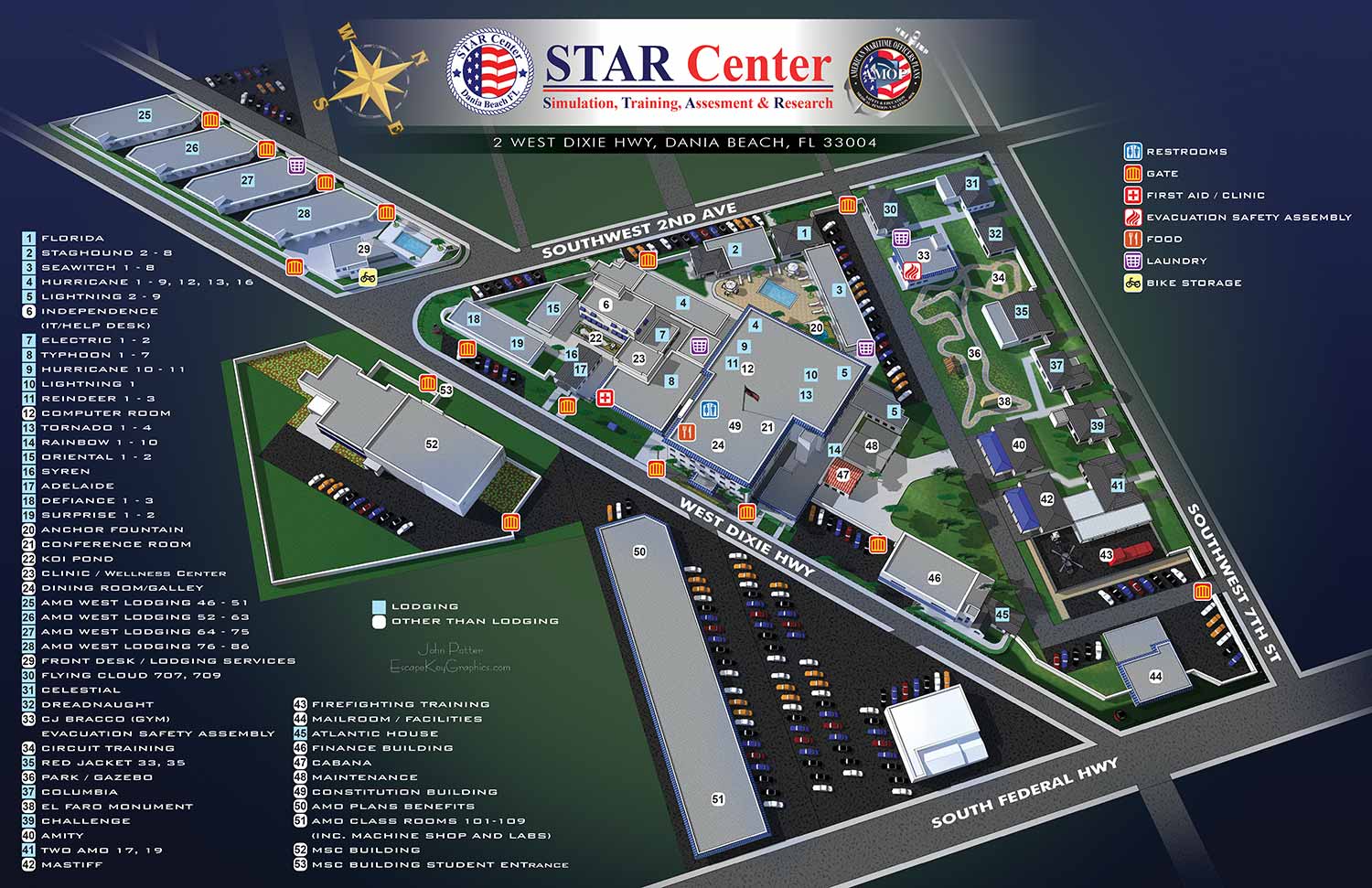
I also do a lot of derivative work i.e. projects based on other projects I've done. If I've just made a full boat show map and I'm hired to make a map of a subsection of it, it may not take me long, but it's built on a lot of work I've already done. You're hiring me to make a map of high quality. The client pays for the product, not the process.
I do my level best to get quotes accurate so I'm not coming back to you asking for more. That would matter to me if I were the client, so it matters to me.
Revisions
I want to make a separate page about this, so I won't go into depth here, but it deserves mention. The industry standard is one to three revisions included in a quote. I find that even my most decisive, easy-going clients exceed that.. my average is thirty. That's a lot. I've exceeded sixty on occasion. I estimate the number of hours I expect a project to take and multiply by my hourly rate, and that includes revisions. I'm good at predicting this despite the apparent difficulty, and if I must, I'll notify the client that I've exceeded my predicted hours.
Exceptions
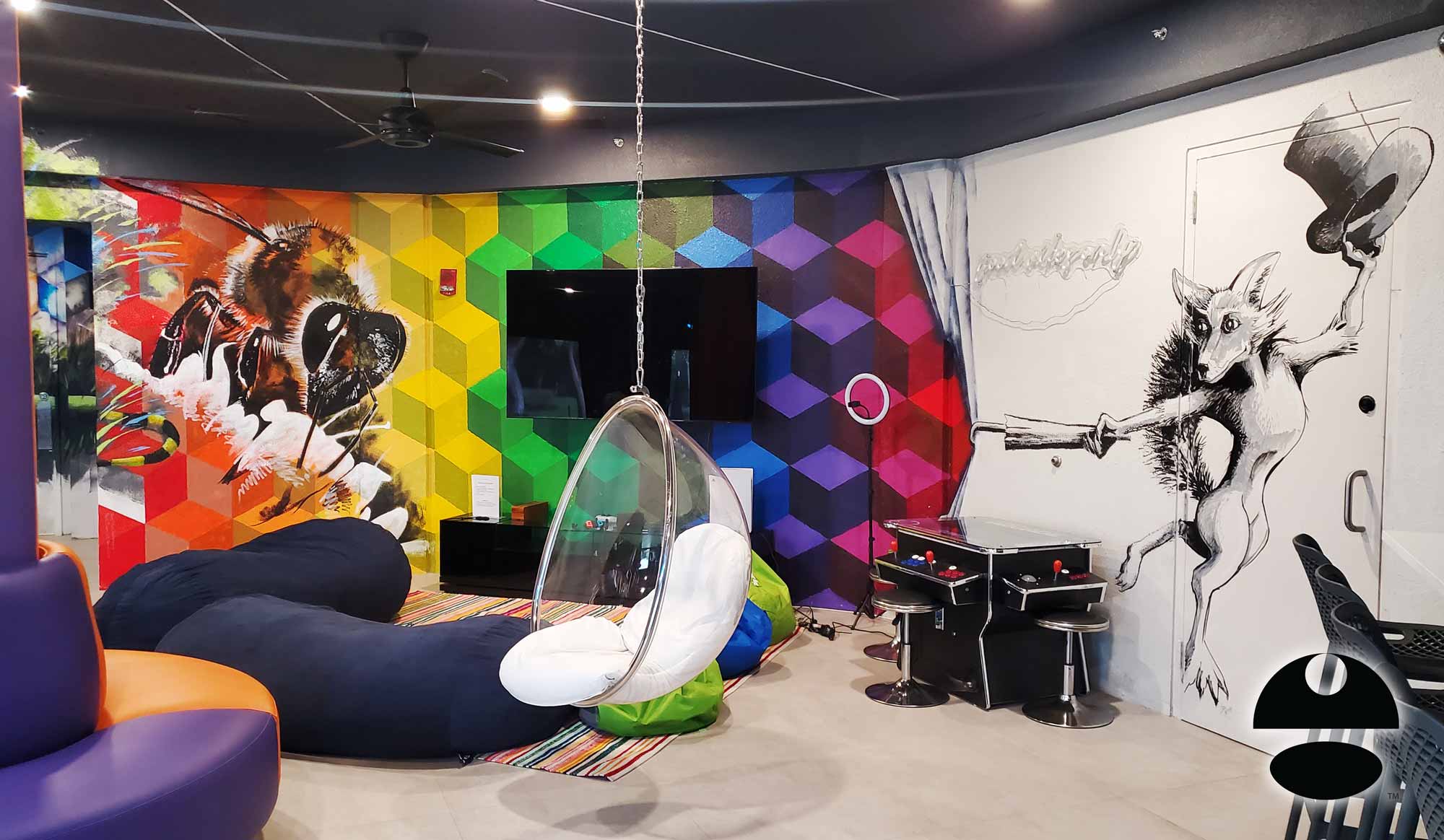
Two kinds of projects fall outside this. Murals carry additional expenses in materials, preparation, and travel. Much like derivative work, I may have paint and other materials left over from a previous project, but I quote every mural as if it's a standalone project requiring all fresh materials.
Fine art has no industry standard for pricing; it's based on what the market will bear. I track my expenses as I create a piece and make sure I cover those as a starting point. With fine art I'm selling an object rather than an image, and every painting is an experiment of sorts. It's easy to confuse this when you're the one doing the work, so I do my best to look at a finished piece and price it as a finished object, keeping in mind the values I see in galleries and at shows.
The short version
I base quotes on estimated time, plus materials if there are any. I also consider the skills needed and any previous work the project depends on, and I include predicted revisions. The thing to remember is that you're paying for the product, and the judgment behind it, not for the hours it happens to take.
Also of interest:
- About Me
- General FAQ
- Maps FAQ
- References / Partial client list
- CV: Curriculum Vitae
- Resume
- Revisions
- Map Angles and Scales Explained
- When Computers Took Over - and Then When AI Started To
- History of My Map Workflow
- Large-Area Maps vs. Small-Area Maps
- So You Got Stuck With the Map Project. Let's Make This Easy.
- What I Actually Charge For
EXPLORE MY PORTFOLIOS
- Illustration: Find custom illustration, book covers, illustrated maps, and architectural rendering.
- Fine Art: Browse original paintings and drawings, the Custom Halftone Series, and murals.
- Graphic Design & Motion: See my graphic design work, plus motion design and animated illustrations.
- Maps by industry: Illustrated maps tailored for boat shows, resorts, marinas, real estate, transit & parking, towns & cities, parks, and wayfinding.
- Other project types: Also available: cover art, vehicle & vinyl wraps, proposal renderings, and street art.
- Techniques: Explore work in vector, isometric & axonometric, painting, black & white, GeoData, overhead, and halftone styles. Recently I have also begun to use AI for some specific solutions.
- Software: Primary tools: Photoshop, Illustrator, SketchUp Pro, and InDesign. Motion work uses Premiere Pro & After Effects.