
Monument Design and Rendering
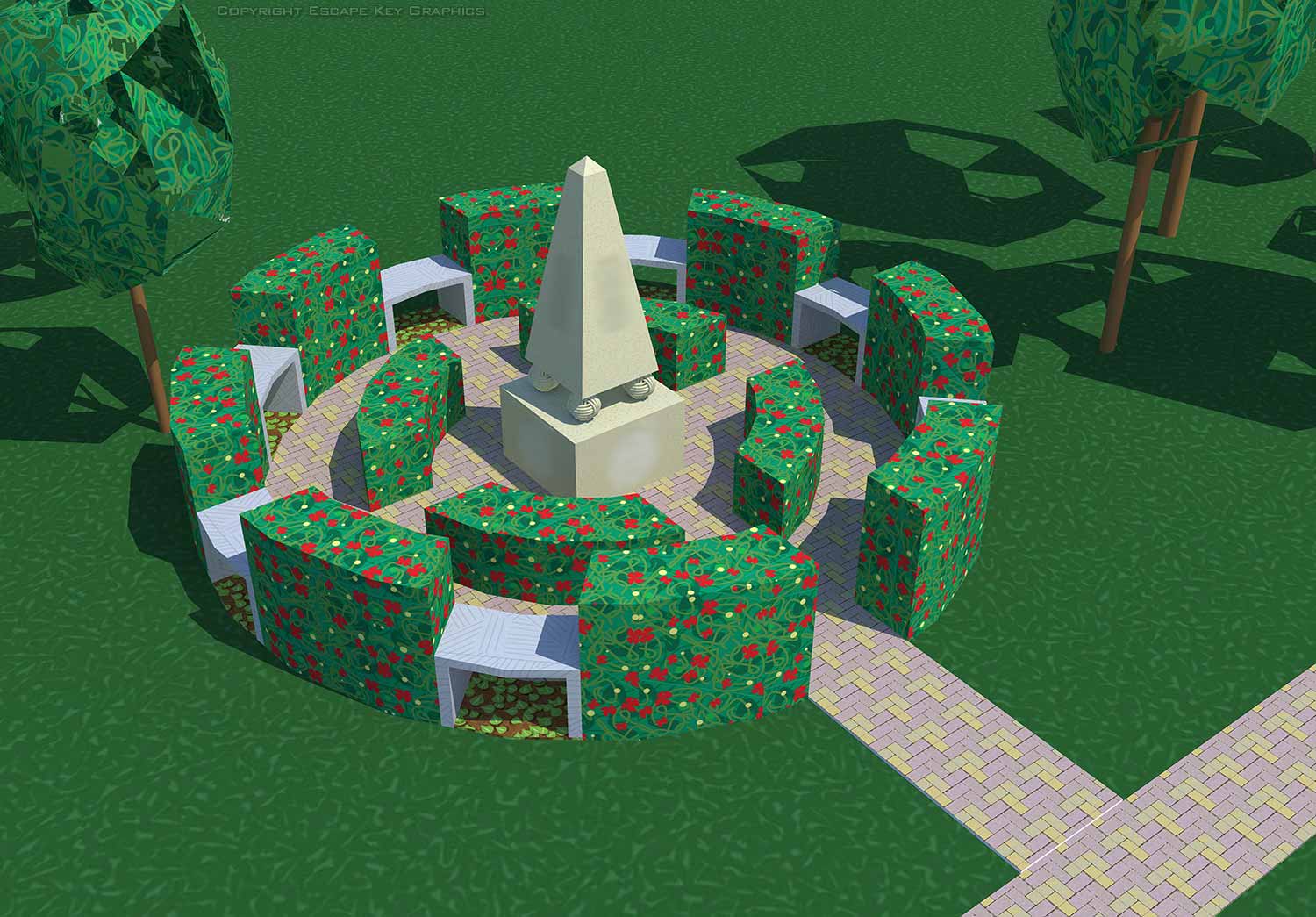
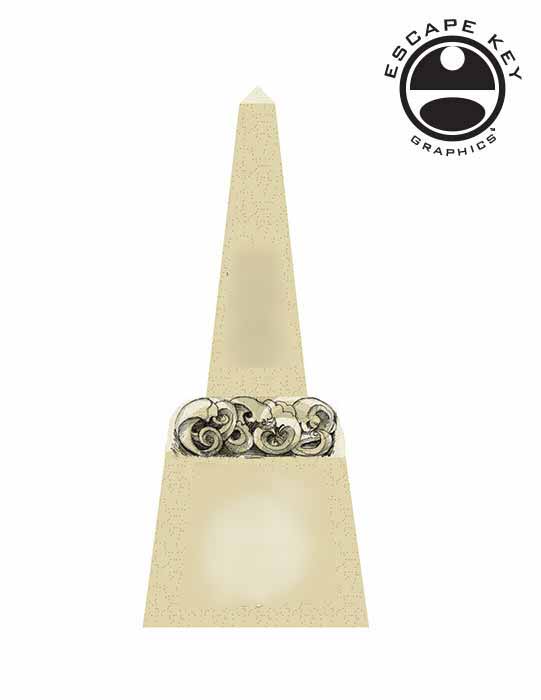
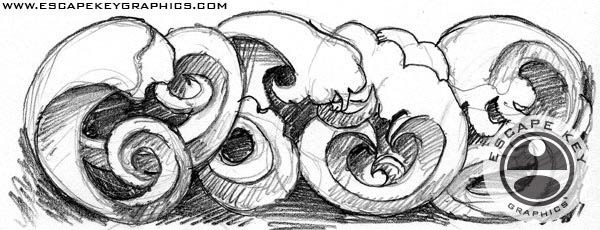
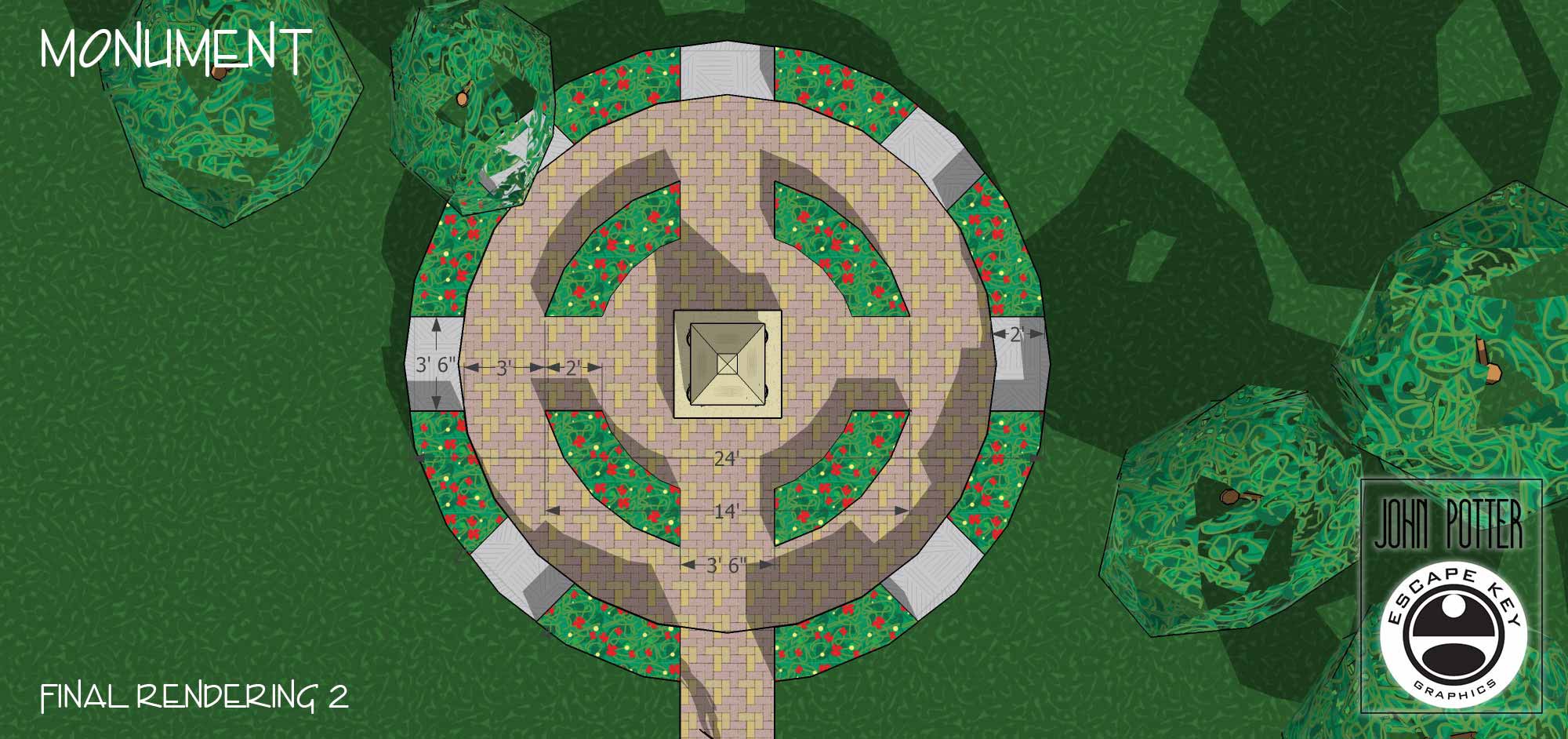
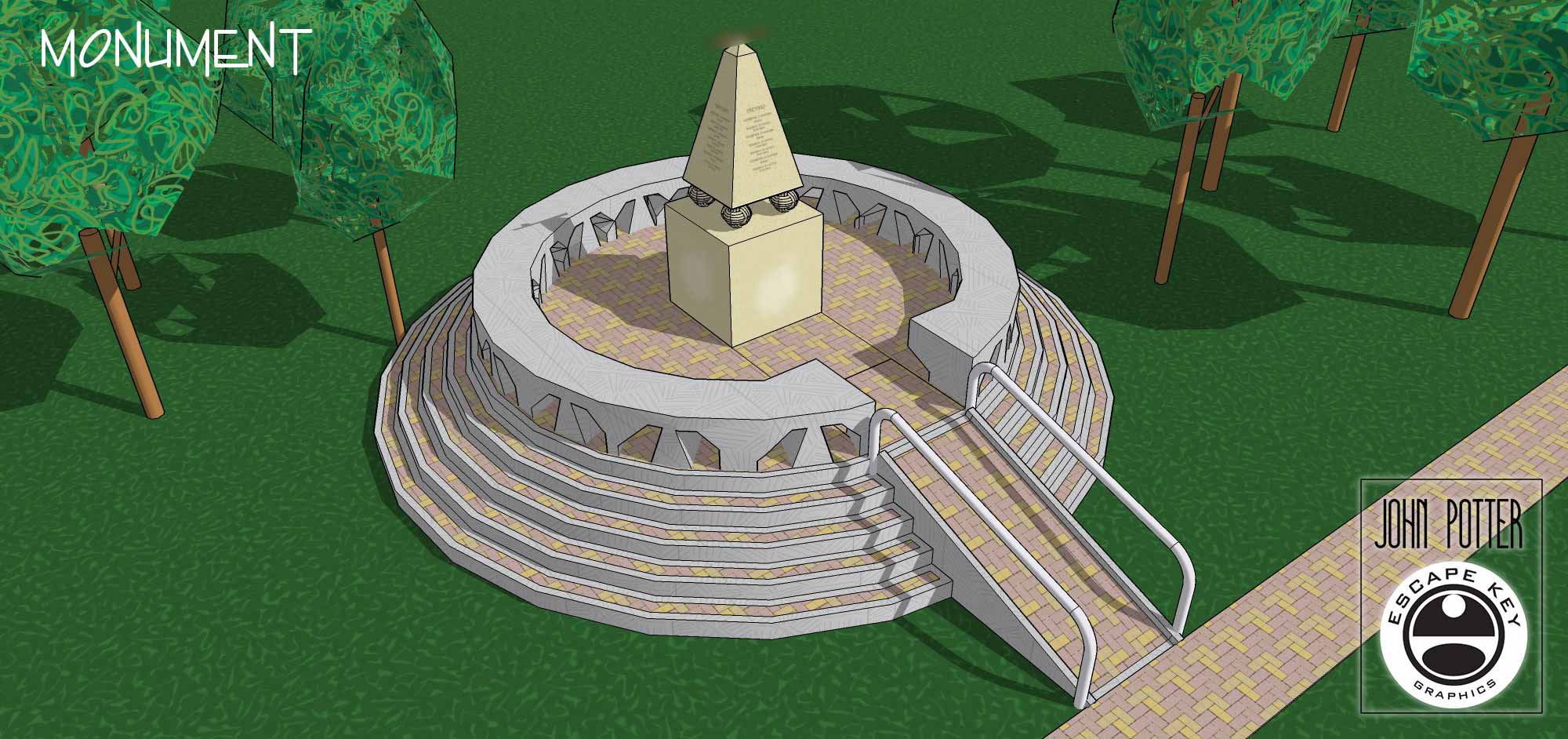
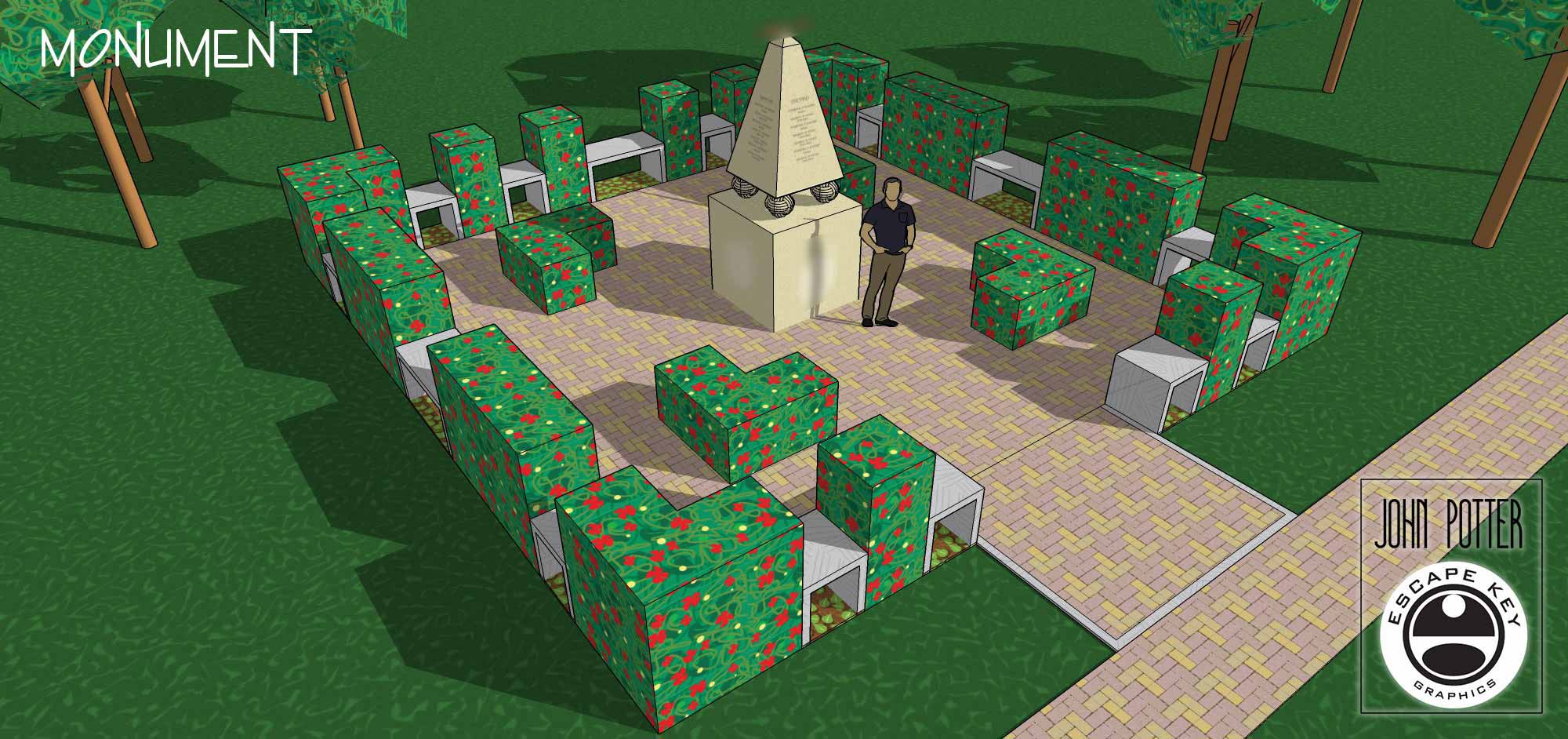
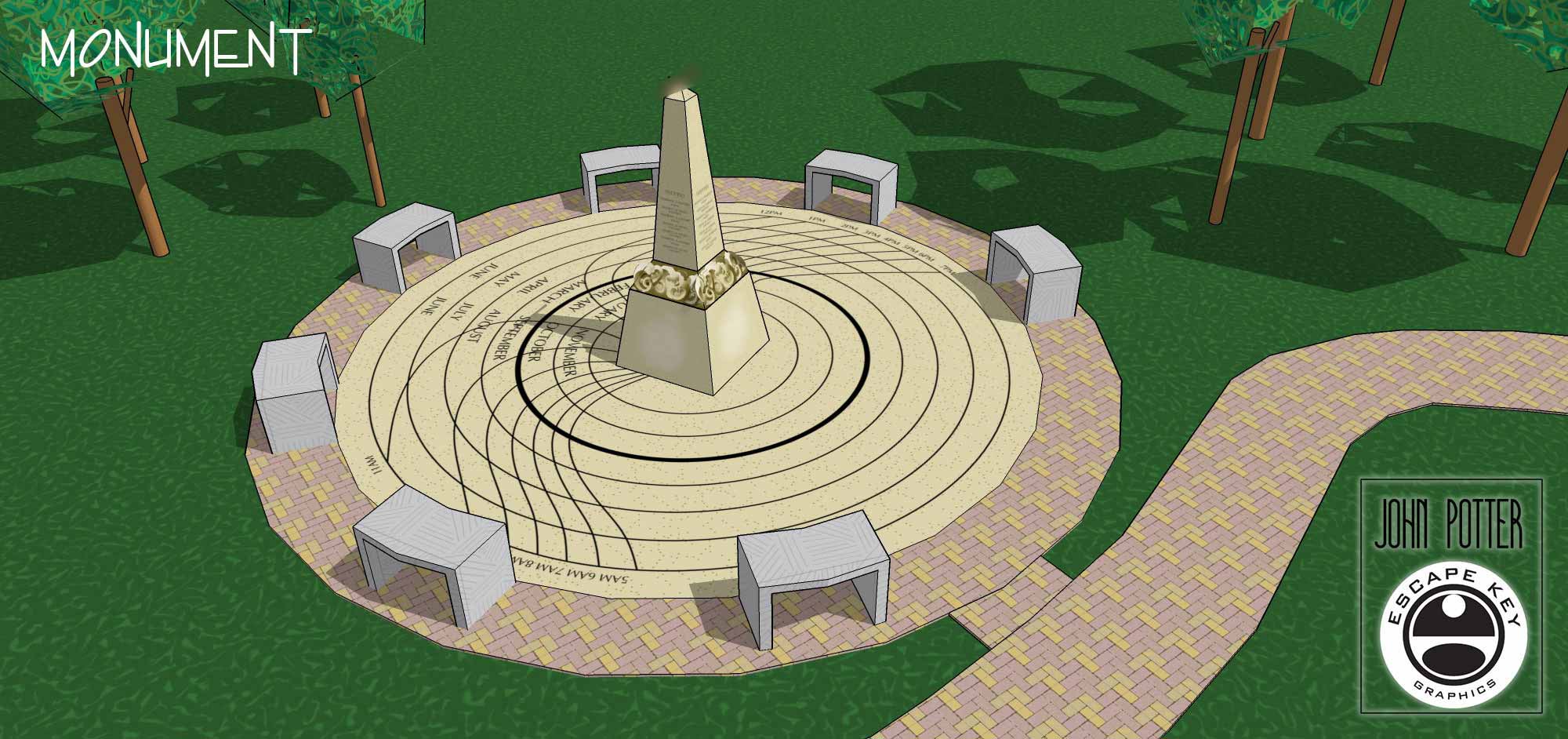
In 2021 I was commissioned to develop concept proposals for a commemorative monument intended for a small park. The project focused on honoring the crew of the SS El Faro, a U.S. flagged cargo vessel lost at sea with all 33 crew members aboard. This type of monument design and rendering work requires sensitivity, historical awareness, and a clear understanding of how form, material, and space can support remembrance. My role was to create visual concepts that could guide fabrication while remaining realistic within the client’s budget and site constraints.
The SS El Faro was a 791 foot cargo ship built in 1975. El Faro departed Jacksonville, Florida bound for San Juan, Puerto Rico on September 29, 2015. On October 1, 2015, the vessel was lost after encountering the eyewall of Hurricane Joaquin. The wreck was later located upright on the ocean floor at an approximate depth of 15,000 feet. The event remains one of the most significant maritime tragedies in recent U.S. history and continues to be studied and discussed within maritime and safety communities. Designing a monument for such a subject demanded a respectful balance between narrative clarity and emotional restraint.
The client emphasized the need for a design that could be fabricated economically without sacrificing dignity or permanence. My primary recommendation was a simple obelisk form engraved with the names of the crew. This approach allowed for the use of traditional stone fabrication methods commonly employed by monument and memorial stone masons, helping to keep production costs manageable. From there, I expanded the concept to include a surrounding seating area designed for quiet reflection. Many of the renderings explored individual seating placements that would allow visitors to experience the space privately, with landscaping integrated into the design to further control costs while enhancing the atmosphere.
Additional concepts explored more symbolic elements, including a sundial inspired feature intended to reference the date of the sinking, though this option presented significant fabrication challenges. Ultimately, none of the proposed designs were selected for construction, and the final outcome of the project remains unknown due to the site being on private property. Even so, this work represents a strong example of my monument design and rendering process, demonstrating how thoughtful visual development can address commemoration, feasibility, and emotional impact within a single cohesive concept.
PROPOSAL RENDERINGS:
I've been called upon many times to create drawings, art or renderings for proposals. This work spans new construction, interiors design and all kinds of other stuff that never ceases to surprise me. Proposals for investment or to convey an idea to a board may need to be realistic or sketchy and vague depending on the client's needs. I can accommodate both situations. I frequently use the same software as architectural firms use to make these renderings so you can provide your potential financiers with a professional presentation in a style they're comfortable with. Sometimes the presentation of a nice piece of proposal artwork is all that stands between your idea staying a dream and the funding needed to get it done. I'm here to help.


WHAT IS SKETCHUP?:
SketchUp, originally developed by Google and now maintained by Trimble Inc., is a powerful 3D modeling program widely used across architecture, interior design, marine architecture, civil and mechanical engineering, and even film and video game production. While it is not intended for character design or organic modeling, SketchUp excels at creating precise, technical models using basic shapes, making it ideal for architectural renderings, site planning, and technical illustrations.
I first began using SketchUp in 2012 while creating the illustrated map for the St. Petersburg Power and Sailboat Show. At the time, I was seeking an efficient alternative to isometric drawing for map illustration. Since then, I have expanded its use across a variety of projects and now rely on SketchUp almost daily to create accurate, visually compelling 3D models for maps, buildings, and other technical illustrations.
SketchUp allows me to combine technical precision with artistic flexibility. Models created in SketchUp can be used as the foundation for detailed illustrations, integrated with Adobe Illustrator or Photoshop, or exported for presentation and visualization purposes. Its versatility makes it a valuable tool for projects that require accurate spatial representation, clear perspective, and a professional, polished look.
If you are interested in having a custom model or illustration created in SketchUp, please contact me for a quote. I can provide solutions for everything from complex architectural layouts to 3D maps and technical renderings tailored to your specific project needs.
BROWSE MY WORK
- Illustration: Browse custom illustrations, book cover art, illustrated maps, and architectural renderings.
- Fine art: View original paintings and drawings, the Custom Halftone Series, and mural commissions.
- Graphic design & motion: See design projects, then watch motion reels and animated pieces.
- Maps by use case: Explore illustrated maps created for boat shows, resorts, marinas, real estate, transportation & parking, cities & towns, parks, and wayfinding.
- Specialty projects: Also check out cover design, vinyl & vehicle wraps, proposal renderings, and street art.
- Style & technique: Discover vector, isometric, painterly, monochrome, data-driven, bird's-eye, and halftone approaches.
- Tools I use: Everyday software includes Photoshop, Illustrator, SketchUp, and InDesign; motion work relies on Premiere & After Effects. Recently I have begun some work using AI as well.